Discovering the Finest Pool Contractor Services for Your Perfect Pool
Choosing the best pool contractor is a vital step in achieving one's vision of a perfect pool. It demands a thoughtful approach to identifying specific needs and preferences. Recognizing the key qualities of a contractor can significantly influence the result. Furthermore, knowing what questions to ask and how to set a budget is necessary. As the process unfolds, the nuances of timelines and contracts will also emerge as factors, revealing even more layers to the decision-making journey.
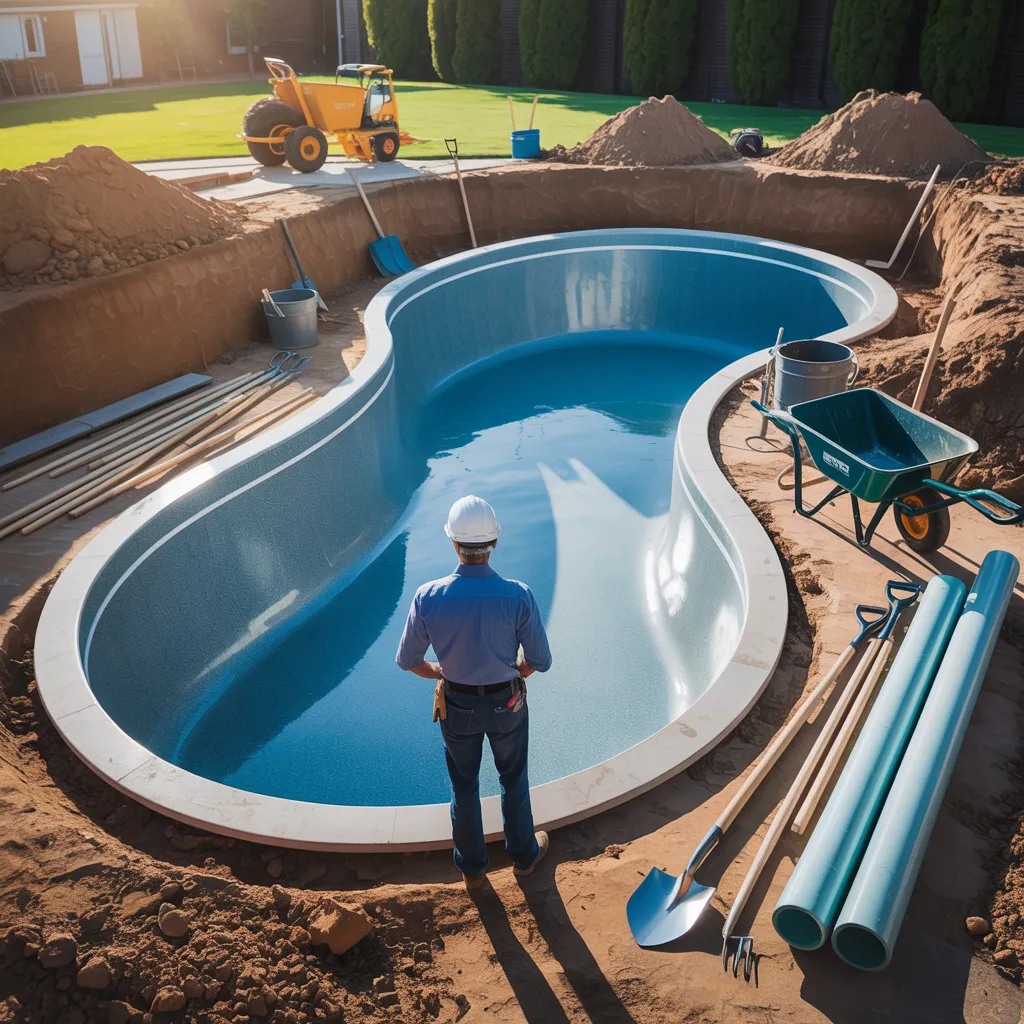
Clarify Your Vision for a Pool Contractor
How does one go about establishing a clear vision when working with a pool contractor? To begin, individuals should outline their specific desires for the pool, including size, shape, and aesthetic elements. Such precision is invaluable when expressing expectations to contractors being considered for the project. Next, they should consider the functional aspects, such as whether the pool will be for recreation, exercise, or relaxation. Incorporating features like waterfalls, lighting, or landscaping can further refine the vision.
In addition, budget constraints play a significant role in shaping expectations. A well-defined budget empowers individuals to focus on essential components while understanding limitations. Investigating a range of styles and materials can generate creative concepts, keeping the overall vision both attainable and exciting. Finally, having a defined timeline for finishing the project will aid in selecting a contractor who can fulfill these time requirements. By outlining these key factors, individuals can create an all-encompassing vision that helps them identify the most suitable pool contractor.
Important Qualities to Consider When Hiring a Pool Contractor
With a clear vision established, the next step involves selecting the most suitable pool contractor to bring that vision to life. Important qualities to take into account include expertise and experience in pool construction and design. A trustworthy contractor should have a portfolio showcasing previous projects reflecting their ability to meet various styles and budgets. Communication skills are also vital; the contractor needs to be accessible and forthright, guaranteeing that clients are kept informed at every stage of the process.
Furthermore, a skilled professional will hold necessary certifications and coverage, offering peace of mind in terms of compliance and protection against possible liabilities. Testimonials and customer feedback can give insights into the pool contractor's reliability and customer service. To conclude, a trustworthy pool contractor should be prepared to provide a detailed contract specifying warranties, costs, and timelines, demonstrating their dedication to quality and transparency. By focusing on these key characteristics, homeowners can reach informed decisions in their quest for the best pool contractor.
Important Questions to Ask Pool Contractors
When selecting a pool contractor, it is crucial to establish project timeline parameters to secure timely completion. Additionally, knowing the contractor's coverage and certification details can defend against potential liabilities. These critical questions will help homeowners make informed decisions and identify a trustworthy professional.
Project Schedule Expectations
Knowing project timeline expectations is vital when hiring a pool contractor. Clients should inquire about the estimated duration for each phase of the pool construction process. Essential inquiries consist of: What is the expected duration of the design phase? What is the projected schedule for excavation and installation? Furthermore, it is critical to inquire about possible setbacks caused by weather or supply chain disruptions. Professionals should present a well-defined schedule that highlights progress benchmarks and finish dates. Understanding these timelines helps clients set realistic expectations and plan accordingly. Moreover, clients should confirm how often they will receive updates on progress and any changes to the timeline. This level of communication cultivates reliability and promotes a more streamlined construction journey.
Licensing And Insurance Details
Before engaging a pool contractor, verifying their insurance and licensing is essential to ensure a safe and compliant project. Homeowners should require contractors to provide proof of insurance, including liability coverage and workers' compensation. This protects homeowners from potential financial liabilities arising from accidents or damages during construction. Furthermore, verifying that the contractor possesses a valid license ensures compliance with local regulations and industry standards. Clients should inquire about the specific licenses required in their state, as these can vary greatly. It's equally important to look into any disciplinary history or complaints associated with the contractor. By addressing these critical questions, homeowners can safeguard their investment and guarantee a smoother pool construction process.
How to Set a Budget for Your Dream Pool
Setting a budget for a dream pool requires a thoughtful assessment of various aspects. First, one must determine the total expenses related to installing the pool, including materials and labor. Moreover, one must incorporate continuous maintenance fees and factor in design choices that may significantly impact the overall cost.
Calculate Total Pool Expenses
Calculating the complete costs of a pool involves careful consideration of several factors that affect budget planning. Property owners should commence by considering the category of pool wanted—in-ground or above-ground—as each carries distinct price ranges. Supplementary costs may emerge from supplies, size, and the intricacy of the design. Ground preparation, yard work, and required permits also impact the total price. Moreover, incorporating features like water features, lighting, or heating can significantly impact the overall budget. It is also prudent to prepare for unforeseen expenses during the installation process. By detailing these factors, residents can establish a realistic budget, making sure they keep to their financial limits while achieving their perfect pool. Careful planning ultimately produces educated choices and a fulfilling end result.
Incorporate Maintenance Costs
When designing a dream pool, factoring in maintenance costs is essential for a comprehensive budget. Homeowners should consider the ongoing costs associated with pool upkeep, including chemical treatments, cleaning materials, and equipment upkeep. Routine upkeep can help avoid expensive repairs in the future, making it an essential part of owning a pool. Additionally, utilities such as water and electricity play a significant role in overall expenses, as they change according to usage patterns and local utility rates. Allocating a specific monthly fund for these costs ensures that homeowners can enjoy their pool without unforeseen financial burdens. By assessing these costs beforehand, individuals can establish a comprehensive and realistic budget that addresses both the initial build and future maintenance demands.
Factor In Design Choices
Including design decisions greatly impacts the total cost for a custom pool. Homeowners need to consider factors such as pool dimensions, shape, and features like waterfalls, lighting, and decking materials. Each design element can substantially alter costs, with complex additions often requiring more labor and materials.
Furthermore, the selection of finishes—whether selecting vinyl, tile, or plaster—can influence both aesthetic appeal and budget constraints. Pool owners should also consider landscaping and surrounding amenities, as these contribute to the overall experience and functionality of the pool area.
To determine a reasonable budget, it is important to focus on design components that reflect individual tastes while staying aware of total expenses. Engaging with knowledgeable contractors can additionally fine-tune these selections within budget boundaries.
What You Need to Know About Pool Construction Timelines
Grasping pool building schedules is essential for property owners planning to enhance their backyard area. In most cases, the whole project can take between several weeks and a few months, subject to several contributing factors. Initial design and permitting stages often require a number of weeks, as acquiring the needed authorizations can be quite demanding in terms of time.
Once permits are secured, the excavation process typically requires several days, followed by the installation of electrical and plumbing systems. The physical construction of the pool shell, whether concrete or fiberglass, can take a few more weeks.
Subsequent phases, encompassing decking, landscaping, and finishing touches, will have an impact on the overall timeline. Environmental factors and contractor schedules may continue to affect the expected completion timeline. Understanding these components helps homeowners develop reasonable projections, guaranteeing they stay updated throughout the construction process. By understanding what to expect, they can more successfully organize their schedules and commitments.
Key Pointers for Reviewing Contracts With Your Pool Contractor
After understanding the pool construction timeline, property owners need to carefully examine the contracts offered by their pool contractors. A comprehensive review of the contract is essential for ensuring that all expectations are clearly defined. Homeowners should start by ensuring that all project details, including materials, timelines, and costs, are clearly specified. Homeowners must check for clauses concerning changes or delays and be aware of the impact of each clause.
Additionally, homeowners should closely inspect the payment schedule, ensuring it is consistent with project milestones. This protects against paying too much before the job is finished. Warranty details should likewise be explicitly stated, encompassing materials used and the quality of work performed.
Finally , property owners need to ensure that the builder is certified and covered by insurance , as this protects against possible legal liabilities . Hiring a qualified attorney for a thorough more information review can deliver extra confidence , confirming that every clause is balanced and comprehensive .
Popular Questions and Answers
What Pool Types Do Contractors Commonly Specialize In?
Pool contractors commonly specialize in several pool types, including fiberglass, concrete, inground, above-ground, and vinyl liner pools. Each option delivers unique benefits and aesthetic options, serving a wide range of preferences and budgets among homeowners seeking aquatic solutions.
How Do I Verify a Contractor's Licensing and Insurance?
To validate a contractor's insurance and licensing, you should check state licensing boards and request proof of insurance coverage. Additionally, contacting previous clients and reviewing online reviews can give greater peace of mind regarding the contractor's credibility.
What Kind of Warranties Do Pool Contractors Generally Provide?
Most pool contractors offer warranties that cover materials, equipment, and workmanship. Such warranties can span from one to ten years, offering protection against defects and delivering peace of mind for homeowners who invest in pool installations.
Are Contractors Able to Assist With Landscaping Around the Pool?
Absolutely, professional contractors often assist with pool area landscaping, supplying services such as designing outdoor spaces, planting, and hardscaping. Their proficiency guarantees a cohesive look that improves the overall appearance and usability of the pool area.
What Hidden Costs Are Common in Pool Construction?
Common hidden costs in pool construction include excavation difficulties, debris removal charges, extra permits, yard modifications, pipe alterations, and unforeseen site issues. Homeowners should prepare for these expenses to avoid budget overruns during the project.